The Shift in SSL Validity 2026: What You Need to Know
The landscape of digital security is evolving rapidly. Consequently, businesses across the globe are preparing for a significant transition regarding SSL validity 2026. If you manage a website in Canada, you must understand these upcoming changes immediately. Major browser providers like Google and Apple are pushing for shorter certificate lifespans to enhance security. This means the old way of managing certificates once a year is disappearing.
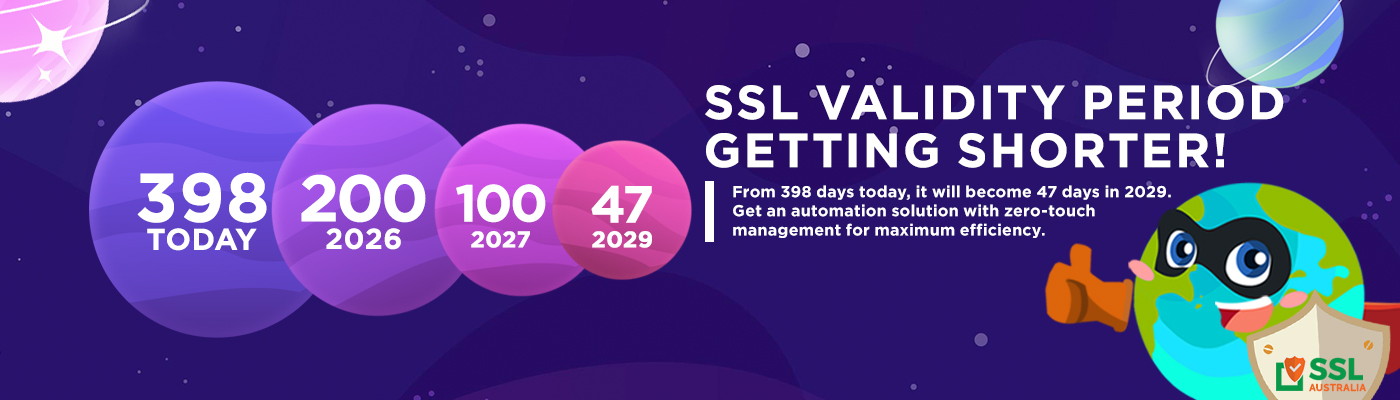
Currently, most SSL/TLS certificates remain valid for up to 398 days. However, the proposed changes for SSL validity 2026 aim to reduce this window significantly. Experts suggest we are moving toward a 200-day SSL limit. While this change improves security, it also increases the administrative burden for IT teams. Therefore, staying informed is the first step toward a seamless transition for your business infrastructure.
SSL Validity 2026: Why the Industry Is Shortening Certificate Lifespans?
Security researchers argue that shorter lifespans reduce the risk of compromised keys. For example, if a hacker steals a private key, they can only use it for a few months rather than a year. Furthermore, shorter cycles force companies to update their encryption standards more frequently. This proactive approach ensures that the latest security patches are always in place. As a result, the internet becomes a safer place for everyone involved in digital commerce.
Furthermore, the move toward SSL validity 2026 aligns with the broader goal of internet agility. When certificates expire quickly, the entire ecosystem can respond faster to new vulnerabilities. Organizations like the CA/Browser Forum constantly discuss these standards to protect user data. However, for many business owners, this means more frequent renewals and a higher chance of human error during manual installation.
The Impact of the 200-Day SSL Limit on Canadian Firms
For many local organizations, the 200-day SSL limit represents a major shift in operational strategy. Many IT departments in Canada still rely on manual tracking spreadsheets to manage their certificates. If you only have to renew once a year, manual tracking is manageable. However, when the cycle shrinks to 200 days or less, the risk of an expired certificate increases exponentially. An expired certificate can lead to lost revenue and damaged brand trust.
Imagine a customer in Toronto trying to access your online store. If they see a “Connection Not Private” warning, they will likely leave your site. Consequently, SSL Canada providers are emphasizing the importance of preparation. You cannot afford to wait until the last minute to update your security protocols. By understanding the SSL validity 2026 requirements now, you can implement systems that prevent unexpected downtime and maintain your professional reputation.
The Solution: Automated SSL Renewal
The only sustainable way to handle shorter lifespans is through automated SSL renewal. Automation removes the human element from the equation. Instead of an IT manager manually generating a CSR and installing the certificate, a script or service handles everything. This ensures that your site stays secure without any manual intervention. Therefore, automation is no longer a luxury; it is a necessity for modern business survival.
Many organizations are now adopting the ACME (Automated Certificate Management Environment) protocol. This protocol allows web servers to communicate directly with certificate authorities. When your certificate is nearing its expiration date, the server automatically requests a new one. Consequently, your SSL Canada services remain active 24/7. This transition to automated SSL renewal is the most effective way to combat the challenges posed by the SSL validity 2026 changes.
How to Prepare Your Business for SSL Validity 2026
First, you should conduct a full audit of your current digital certificates. Identify which certificates are still using long-term validity and when they expire. Next, talk to your hosting provider or certificate vendor about their automation capabilities. If you are using ssl canada services, ensure your infrastructure supports automatic deployment. This preparation will save you hundreds of hours of manual labor in the long run.
Secondly, you must educate your IT team on the technical requirements of the 200-day SSL limit. They need to understand how to configure auto-renewal hooks and monitor renewal logs. Moreover, testing these systems in a staging environment is crucial. You do not want to find out your automation script failed on your live production server. By testing early, you ensure a smooth migration before the SSL validity 2026 rules take full effect.
Choosing the Right Tools for SSL Management
Selecting the right tools is vital for managing the SSL validity 2026 transition. You need a platform that provides clear visibility into all your active certificates. Look for dashboards that offer real-time alerts and comprehensive reporting. In addition, ensure your provider supports the latest encryption algorithms. Using outdated tools will only lead to more security vulnerabilities in the future.
Furthermore, consider the scalability of your chosen solution. As your business grows, the number of subdomains and certificates will likely increase. An automated SSL renewal system should be able to handle this growth without requiring more manual oversight. Many SSL Canada experts recommend centralized management platforms to streamline this process. These platforms allow you to manage multiple domains from a single interface, reducing complexity and potential errors.
Conclusion: Preparing for SSL Validity 2026 and the Future of Web Security
In conclusion, the shift toward SSL validity 2026 is inevitable and necessary for a secure internet. While the 200-day SSL limit might seem daunting, it offers an opportunity to modernize your security practices. By embracing automated SSL renewal, you protect your business from downtime and security breaches. Furthermore, you demonstrate to your customers that you take their data privacy seriously.
Now is the time to act. Don’t wait for the browsers to force your hand and cause a crisis. Start by auditing your certificates and implementing automation today. Whether you are a small business or a large enterprise, staying ahead of these changes is essential. Contact your trusted SSL Canada partner to begin your journey toward a more secure and automated future. Ultimately, those who adapt early will thrive in the changing digital landscape of 2026.